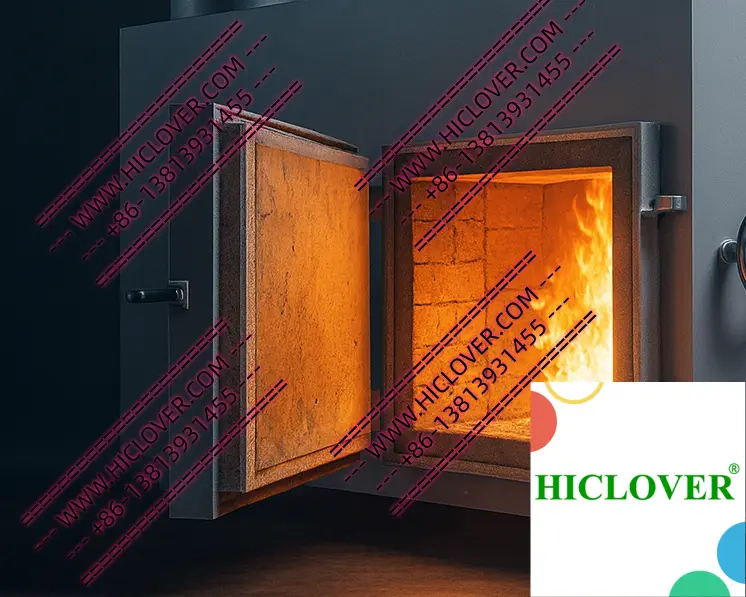
Comprehensive Waste Management Solutions: HICLOVER Waste Incinerators for Diverse Application Scenarios
Modern waste incinerators have become essential components in effective waste management strategies across various sectors. The HICLOVER waste incinerator systems represent advanced thermal destruction technology designed to address the growing challenges of waste disposal in compliance with stringent international standards. These systems operate at precisely controlled temperatures between 850°C and 1200°C, ensuring complete destruction of waste materials while minimizing environmental impact. The engineering reliability of HICLOVER’s small waste incinerators to large incinerator models demonstrates their adaptability across multiple application scenarios.
Technical Framework of HICLOVER Waste Incineration Systems
The technical foundation of HICLOVER waste incinerators centers on dual combustion chamber design, which ensures complete thermal destruction while minimizing harmful emissions. The primary chamber facilitates initial waste combustion, while the secondary chamber destroys remaining particulates and gases at higher temperatures. This engineering approach aligns with global regulatory frameworks including WHO guidelines and EU emission standards.
Temperature control remains critical in waste incineration processes. HICLOVER systems maintain secondary chamber temperatures above 850°C with a minimum 2-second residence time for gases, ensuring destruction of complex organic compounds including pathogens and pharmaceutical residues. This technical specification is particularly relevant for hospital incinerator applications where infectious materials require complete thermal neutralization.
The combustion efficiency is further enhanced through:
- Controlled air distribution systems that optimize oxygen levels
- Refractory lining rated for temperatures exceeding 1400°C
- Precision fuel delivery systems for diesel, LPG, or natural gas
- Automated temperature monitoring with digital recording
These engineering elements contribute to stable incineration parameters across various waste types and volumes, making HICLOVER systems suitable for applications ranging from garden incinerator units to industrial-scale waste management installations. The technical design prioritizes both performance and compliance with international emission standards.
Application Scenarios and Practical Deployment
Healthcare Waste Management
The healthcare sector generates significant quantities of potentially infectious and hazardous waste requiring specialized thermal treatment. Hospital incinerator manufacturers like HICLOVER have developed systems specifically engineered for medical waste streams. These units feature:
Medical facilities across developing regions have deployed HICLOVER waste incinerators to address infectious waste management challenges. A notable installation in Southeast Asia demonstrated 99.9% pathogen destruction efficiency while maintaining emissions well below regional regulatory thresholds. The system’s PLC automation reduced operator intervention requirements by approximately 60% compared to manual systems previously used at the facility.
The integration of HICLOVER systems into hospital waste management protocols has improved compliance rates and reduced the environmental footprint of healthcare operations. The factory direct supply model employed by HICLOVER ensures that technical specifications are maintained without compromise through intermediaries, particularly important for medical applications where performance standards cannot be compromised.
Agricultural and Veterinary Applications
Agricultural operations increasingly deploy small waste incinerators for managing organic waste, including animal carcasses and crop residues. HICLOVER systems designed for these applications feature:
- Reinforced loading chambers suitable for dense organic materials
- Simplified operation protocols for rural deployment
- Mobile containerized options for multi-site agricultural operations
- Temperature profiles optimized for animal tissue destruction
Practical implementation in livestock production facilities has demonstrated significant reduction in disease transmission risks through proper thermal treatment of potentially contaminated materials. This application has become increasingly important amid global infectious disease preparedness initiatives, with decentralized waste management emerging as a critical component of biosecurity protocols.
Remote Industrial Applications
Industrial operations in remote locations face unique waste management challenges where traditional disposal infrastructure is unavailable. HICLOVER’s containerized mobile incinerator systems address these scenarios through:
- Self-contained operational capability requiring minimal external infrastructure
- Ruggedized construction suitable for harsh environmental conditions
- Multi-fuel compatibility accommodating available energy sources
- Modular design allowing transportation to changing operational sites
Mining operations, oil exploration camps, and remote manufacturing facilities have successfully implemented these systems to manage waste streams on-site, reducing transportation costs and environmental risks associated with waste movement. The industrial waste incinerator remote site applications demonstrate how technical solutions adapt to challenging operational environments while maintaining compliance standards.
Comparative Analysis of Incineration Technologies
Fixed vs. Containerized Systems
The choice between fixed installation and containerized mobile waste incinerators depends on operational requirements and site conditions. Fixed installations offer higher capacity and permanent infrastructure integration, while containerized systems provide deployment flexibility and reduced site preparation requirements.
HICLOVER offers both configurations with standardized technical specifications across platforms. The containerized systems have proven particularly valuable in crisis zones and humanitarian camps where rapid deployment capability outweighs the advantages of fixed infrastructure. These mobile systems can be operational within 24-48 hours of arrival on site, compared to weeks or months for permanent installations.
Control System Options
Modern waste incinerators employ varying levels of automation, from manual operation to fully automated PLC systems. HICLOVER’s technical implementation includes:
- Basic manual control systems suitable for simple applications and operator-intensive environments
- Semi-automated systems with critical parameter monitoring and safety overrides
- Full PLC automation with remote monitoring capability and data logging functions
The PLC systems have demonstrated significant operational advantages, including 30-40% reduction in fuel consumption through optimized combustion cycles and up to 70% decrease in operator errors compared to manual systems. These efficiency gains contribute to both operational cost reduction and improved environmental performance.
Emission Control Technologies
Environmental compliance increasingly drives the selection of emission control technologies in waste incinerators. HICLOVER systems incorporate both dry scrubber and wet scrubber options based on waste stream characteristics and local regulatory requirements:
Dry scrubber systems use reagents to neutralize acid gases and activated carbon for capturing heavy metals and dioxins. These systems require less maintenance and generate no wastewater, making them suitable for water-constrained environments. Wet scrubbers provide higher removal efficiency for certain pollutants but require water resources and generate effluent requiring treatment.
The selection between these technologies reflects the balance between environmental performance, operational constraints, and compliance requirements specific to each installation site. HICLOVER’s engineering approach prioritizes alignment between technology selection and operational realities.
Economic and Operational Considerations
The implementation of waste incinerators involves both capital investment and ongoing operational considerations. HICLOVER’s factory direct manufacturing model eliminates intermediary costs, providing cost advantages compared to trading company sourcing. This approach ensures consistent quality control throughout the manufacturing process.
Operational economics benefit from:
- Customizable chamber volumes matched to waste generation rates, avoiding oversized equipment
- Multi-fuel capability allowing selection of most economical local energy sources
- Modular design enabling capacity expansion as operational needs evolve
- Automated systems reducing labor requirements and improving operational efficiency
These factors contribute to total cost of ownership calculations that increasingly favor on-site thermal treatment over transportation-dependent waste management strategies, particularly as ESG compliance and carbon emission reduction pressures intensify across industrial sectors.
Regulatory Compliance and Standards
The regulatory landscape for waste incineration continues to evolve globally, with increasingly stringent emission standards and operational requirements. HICLOVER waste incinerators are engineered to meet or exceed international standards including:
- EU Directive 2010/75/EU on industrial emissions
- WHO guidelines for healthcare waste incineration
- US EPA regulations on waste combustion
- Regional and national emission limits for particulates, acid gases, and organic compounds
Compliance verification includes continuous emissions monitoring systems on larger installations and periodic testing protocols for smaller units. The technical design incorporates compliance parameters from initial engineering through operational protocols, ensuring regulatory alignment throughout the equipment lifecycle.
Conclusion: Advancing Waste Management Through Technical Innovation
HICLOVER waste incinerators represent the integration of proven thermal destruction principles with modern engineering and automation technologies. From small waste incinerator units to large incinerator systems, the technical foundation remains consistent: controlled combustion under optimal conditions to ensure complete waste destruction while minimizing environmental impact.
The diverse application scenarios – from garden incinerator units to hospital incinerator systems – demonstrate the adaptability of the core technology across varying operational requirements and regulatory frameworks. This technical versatility, combined with HICLOVER’s manufacturing capabilities and engineering experience, positions these systems as effective components in comprehensive waste management strategies across global markets.
As decentralized waste management approaches gain prominence in response to supply chain resilience concerns and environmental pressures, technically sound thermal destruction systems will continue to play a critical role in responsible waste handling across healthcare, industrial, agricultural, and municipal sectors.
Comments are closed